Across the Wide and Wind-Worn Sky On Flight, Family, and the Songs That Remain
By C. Naseer Ahmad
Washington, DC

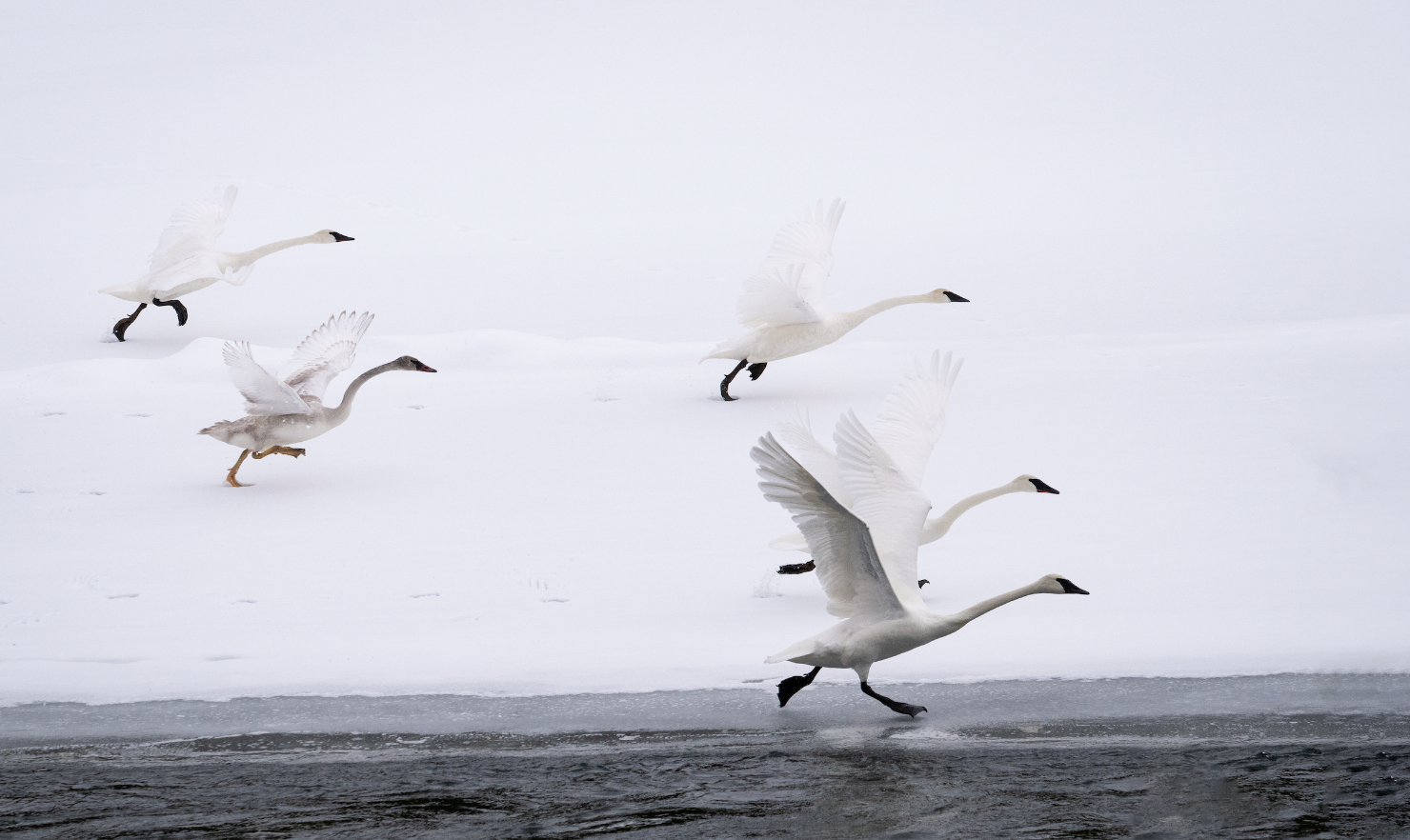
It often happens at dusk. I’m either driving home or idling at a long traffic light when my eyes wander upward. In the fading light, a flock of birds sweeps across the sky, flying in formation as though on a mission. Sometimes one or two break away, tracing their own paths, only to return moments later. I pause, breathing in the quiet beauty of their flight—a small gift from nature at the end of the day.
These sights take me back. They remind me of my late sister, Shahida, an avid bird watcher whose bedside was never without a copy of The Birds of Islamabad. That book is now mine, a treasure that carries her spirit with me. Birds bring her back to life in my thoughts, just as they carry me into memories of friends who share the same passion, and of family voices long gone yet still echoing.
One evening, as I entered the clubhouse in downtown Washington, I spotted my dear friend Bill Johnson, once appointed to the Federal Communications Commission by President Ronald Reagan and later serving under more US presidents. He was pointing his phone toward a tree. When I asked what he was doing, he explained that an app was helping him identify the bird whose song we heard.
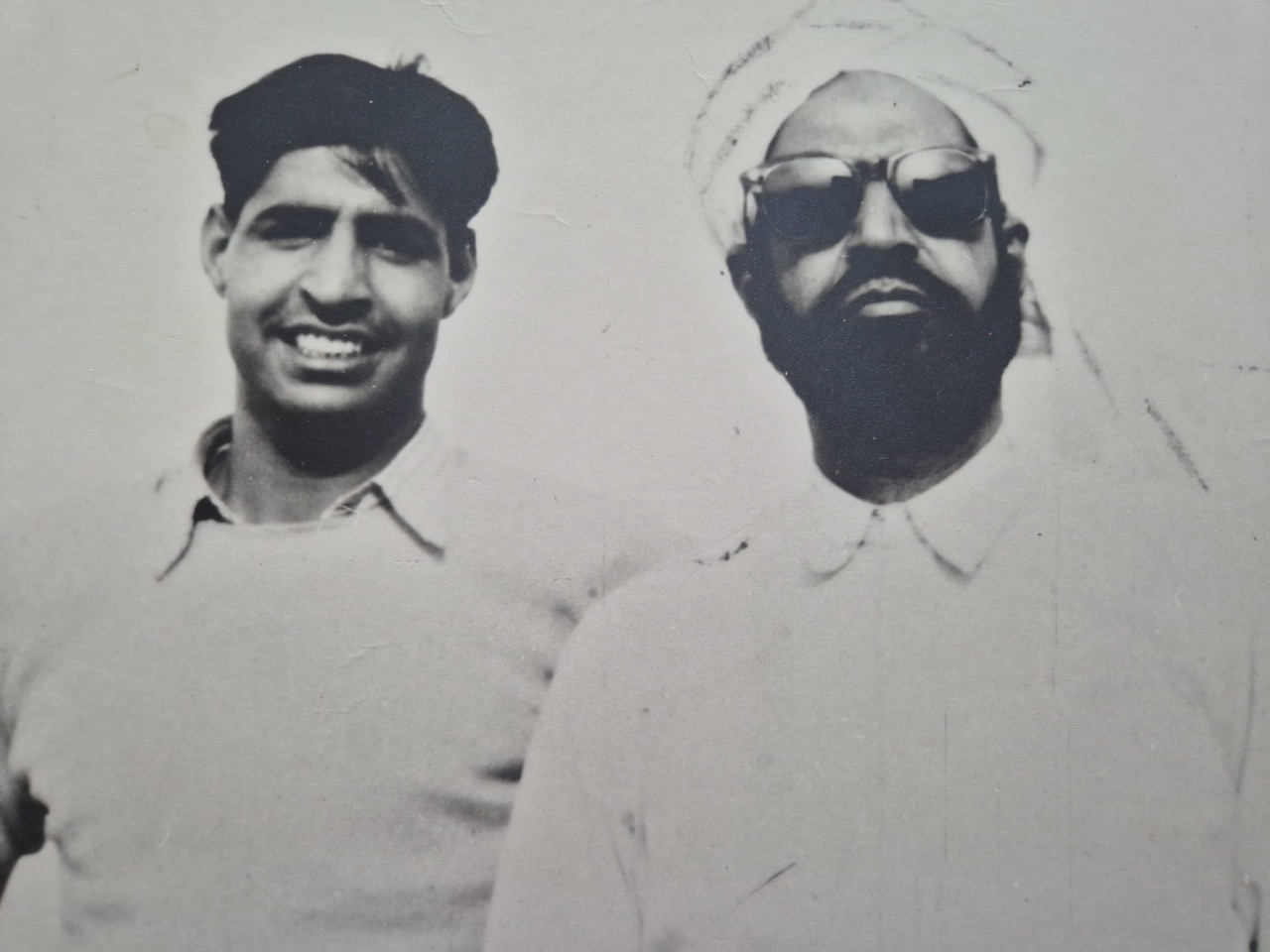
Zafar_Ahmad_with grandfather Moulvi_Abdur Rehman
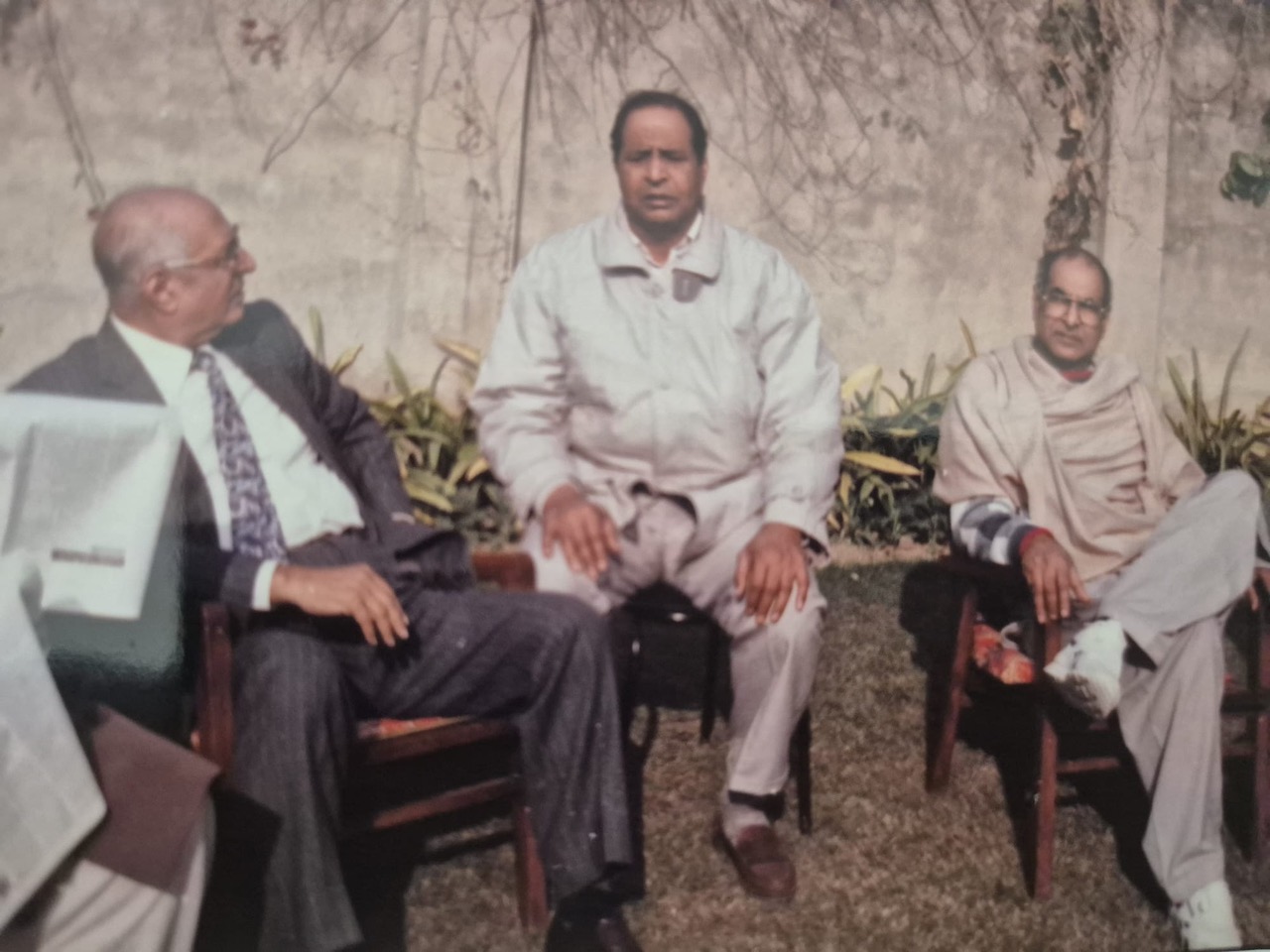
Lt Col Aziz Ahmad with brothers Zafar Ahmad and Mubashar Ahmad

Shahida Aziz
Another friend, the former Swiss Ambassador Jacques Pitteloud, shares this same passion. The internet is filled with photographs of him capturing birds through his lens. It is a mutual love of nature that deepens our bond.
Just last Saturday, before heading to my friend George Lyon’s Big Beautiful Barbecue, I stopped by the clubhouse to relax, lingering among the photographs on display. One image, captured by my friend Peter Winik, the current Club President, showed a flock of birds in motion. Though the room itself was silent, I heard in my mind the voice of my uncle Zafar, my father’s younger brother. He was a natural storyteller, blessed with a voice I often thought rivaled the legendary Mohammad Rafi. Though his talents went unrecognized in the quiet backwaters of Punjab, they lived in our gatherings. Kharian was a village then, though now it has grown into a small city with a large Army cantonment.
As a boy, I remember him singing a particular poem. I didn’t understand the words then, only the sadness in the melody, which stayed with me.
Years later, I wrote to my cousins Imran and Amri in Holland, asking if they remembered it. Sure enough, they did. The poem was Ik Saarson Ka Qafila ( اک سارسوں کا قافلہ ) by Vakil Abdul Hamid of Bhera. Reading it again as an adult—seeing the words in Urdu, hearing them in my uncle’s remembered voice—was an emotional experience. It was no longer just a poem, but a bridge back to family, to childhood, to moments of closeness that time and distance had tried to steal away.
For me, this nazm is no longer simply a story about cranes. It is the story of family, of loss and reunion, of the way love lingers even when lives scatter in different directions. Each time I read it, I see not just birds in flight but also my uncle’s face, my father and uncles in an old photograph, and my sister Shahida with her bird book by her side.
A Caravan of Storks
Across the wide and wind-worn sky,
a caravan of storks drifts by—
silent wings, silver in flight,
bearing the weight of endless night.
They travel together, yet each alone,
seeking a land they’ve never known.
Their journey—half sorrow, half flame,
a song of exile without a name.
In every sweep of wing, I hear
echoes of longing, sharp and clear.
A flight of beauty, hushed, profound—
a yearning heart that has no ground.
And so they pass, both near and far,
like travelers guided by a star;
a fleeting vision, fierce and still—
a caravan that always will.
And so, when I pause at a traffic light and see a flock soaring above, it feels less like chance and more like a message. They remind me of Shahida’s curiosity, of Bill pointing his phone toward a singing bird in Washington, of my uncle’s songs. They remind me that beauty, memory, and love do not vanish; they take flight, circle, scatter—and always, in their own time, return.
In the cranes’ flight, I find my own flock—the voices of those I loved and lost, the friendships that keep me looking upward, and the timeless words of a poem carried through generations.
Birdsong, too, stirs tender emotions. My uncle Zafar once kept pigeons, a hobby we adored in our youth. My wife’s school had two parakeets beloved by the children. One holiday snowstorm in Washington, when the building was closed, we feared they might freeze. Braving the snow-covered roads, we rescued them and brought them home. Their morning tweets filled our hearts and warmed our empty nest, for our own children had grown and moved away. To us, they became little ones again—companions we could not release, much like the cranes in the poem.