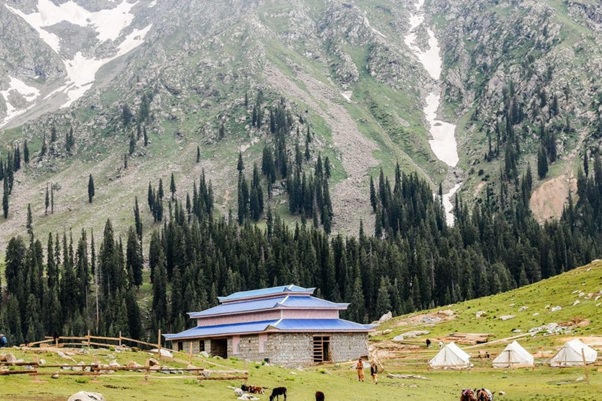
Swat Valley is more than just a scenic destination; it is a symbol of what Pakistan can be: peaceful, welcoming, and full of promise. By nurturing these values, Pakistan has the potential to regain its status as a globally respected travel destination.
Swat Valley: A Memory of Peace, Beauty, and Harmony
By John Bosco
London, UK

In an era where social media and digital platforms prevail, information is accessible within moments. Millions have become self-proclaimed journalists or content creators, launching their own YouTube channels and sharing opinions. With an overwhelming amount of content inundating our screens, distinguishing truth from misinformation has become increasingly challenging.
Every morning brings a wave of messages and breaking news alerts, many filled with distressing headlines. Particularly from Pakistan, stories often focus on violence, forced marriages, kidnapping, abductions, accidents, poverty, and unrest. The media amplifies these issues with dramatic flair, creating fear and anxiety among viewers.
While some of these concerns are valid, they overshadow the peace and beauty that still exist in many corners of the country. I often find myself reminiscing about a simpler time. Before the internet became an obsession and smartphones dominated our lives, news was limited to daily newspapers. The world felt calmer, life more focused, and moments more meaningful. It was during this quieter era that I had the privilege of visiting Swat Valley, a place that left an indelible mark on my heart.
During my involvement with the Graduate Christian Fellowship (GCF), I travelled to northern Pakistan for a team-building and spiritual retreat. One of our most memorable journeys was to Swat Valley, once celebrated as the “Switzerland of Pakistan” for its majestic mountains and serene environment.
We stayed in a hotel along Mingora Road, near the tranquil Swat River, for seven unforgettable days. The hospitality we received was exceptional. The hotel staff were courteous and respectful, and the local community welcomed us with warmth.
Our mornings began with devotional gatherings and prayer/worship services where we sang Zaboors (Psalms) and Geets (hymns). Surprisingly, not a single complaint was raised. In fact, a few locals paused quietly, listening to the melodies of our worship. What struck me most was the sense of freedom and safety we felt. We explored places like Malam Jabba, Kalam, Bahrain, and Mingora without any fear. Each destination symbolized a new chapter of beauty and discovery.
Malam Jabba was a dream come true for someone like me, born and raised in the bustling metropolis of Karachi. The area boasts a renowned ski resort, chairlift rides, ziplining, and panoramic views of majestic peaks and deep valleys. Although, we didn’t explore them, the nearby Buddhist stupas and ancient monasteries add historical depth to the region. Visitors can also relish numerous hiking and trekking trails, each revealing the untouched charm of this stunning hill station.
Kalam Valley is equally captivating. Surrounded by lush green hills, dense forests, sparkling lakes, and vibrant meadows, it is the birthplace of the Swat River, formed by the confluence of the Gabral and Ushu Rivers. Snowcapped mountains, crystal-clear streams, and diverse wildlife create a haven for nature lovers and adventure seekers. Trekking, camping, and exploring the region’s rich biodiversity provide experiences that remain etched in memory.
The people of Kalam, with their warm hospitality and strong cultural identity, enhance the experience even further. Thanks to the thoughtful planning by GCF, the trip was not only about sightseeing. It also emphasized personal spiritual growth. I learned the importance of daily devotion, and the activities encouraged team spirit and collaboration. It was a balanced journey of faith, friendship, and exploration.
Bahrain - One cannot overlook the charming town of Bahrain, situated at the confluence of the Daral and Swat rivers. Known for its tranquil atmosphere and riverside resorts, Bahrain is also renowned for traditional handicrafts such as shawls, woolen caps, and jewelry. It serves as a gateway for treks to the breathtaking Daral and Saidgai lakes, attracting nature enthusiasts from all over the country.
Mingora - the cultural heart of Swat, holds immense historical importance. During the reign of Emperor Ashoka, it served as a center for spreading Buddhism. Archaeological discoveries in the nearby Jambil Valley reinforce this legacy. The Swat River itself, named “Suvāstu” in Sanskrit, meaning “clear blue water”, was known to the Greeks as “So astus”, a testament to the valley’s ancient significance.
Swat has long been a region of religious tolerance and peaceful coexistence. Even during the stringent Islamisation policies of General Zia-ul-Haq’s regime, the people of Swat maintained mutual respect and dignity among communities. Muslims and non-Muslims lived together harmoniously, setting an example of unity in diversity. However, this peace was abruptly disrupted in 2007 when the Taliban seized control of Mingora. Education for girls was banned, polio vaccination campaigns were halted, and public spaces became sites of fear and violence. Cultural suppression peaked with the tragic murder of local artist Shabana. Yet, in 2009, the Pakistan Army launched Operation Rah-e-Raast, reclaiming the region and restoring relative peace.
Before the rise of extremism, Mingora was a thriving hub for local and international tourism. Its economy flourished through hospitality, retail, and transport. People from surrounding regions, such as Dir and Shangla, relied on Mingora for trade and business. Tourism provided jobs and financial stability to countless families.
Reflecting on my journey, I am reminded of a time when Swat Valley symbolized peace, beauty, and harmony. It was a place where differences in religion or belief did not hinder human connection. Instead, mutual respect and shared values fostered a community rooted in compassion and hospitality. To revive that spirit, Pakistan must prioritize security, effective law enforcement, and social harmony. A stable and safe environment is essential to restoring the confidence of international tourists. If the government takes these steps, tourism can once again thrive, becoming a significant source of national revenue and making a substantial contribution to economic growth.
It will also generate thousands of employment opportunities for local communities, particularly in the hospitality, transportation, and cultural preservation sectors. Equally important is the need to promote peace, religious tolerance, and mutual respect. Pakistan's rich cultural and religious diversity should be celebrated, not feared. When people of all faiths and backgrounds coexist in harmony, the country benefits on every level—socially, economically, and spiritually.
Encouraging interfaith dialogue and safeguarding the rights of all citizens are essential steps towards a more inclusive society. Furthermore, maintaining cleanliness, especially in tourist areas, is vital. Clean environments not only reflect national pride but also enhance the visitor experience. The hospitality industry must prioritize guest satisfaction by providing respectful service, transparent pricing, and honest communication.
Using safe and authentic food ingredients is not only a matter of health but of ethics; cheating tourists with substandard or misrepresented products damages the country's reputation. Swat Valley is more than just a scenic destination; it is a symbol of what Pakistan can be: peaceful, welcoming, and full of promise. By nurturing these values, Pakistan has the potential to regain its status as a globally respected travel destination.