Reflecting on the 4 th Quarter
By C. Naseer Ahmad
Washington, DC
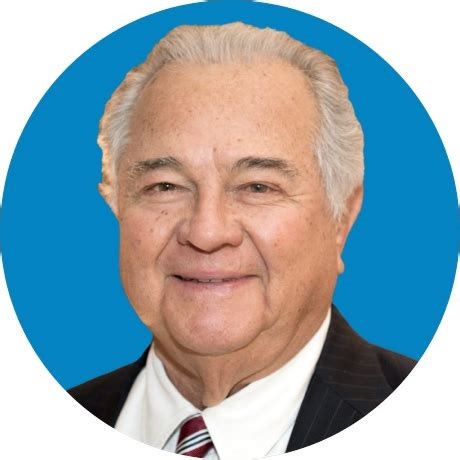
The "Fourth Quarter" serves as a compelling metaphor across various domains, symbolizing the final and critical phase of any journey, whether in business, sports, education, or personal goals. Recently, as I sorted through my mail upon returning from a trip, I was struck with the profound realization that the Fourth Quarter for my cherished friend, Ramon Barquin, had culminated on May 20, 2025. Ramon was a vibrant presence in every encounter. Just a few days earlier, on May 8, 2025, he had excitedly emailed me and our friends about organizing a dinner lecture in the fall, suggesting with enthusiasm: “Sure. I will be in France for the next 10 days, but let me suggest any day the week of May 26.”
The news of his passing was jarring, prompting an online search for "Ramon Barquin." The first entry featured his illustrious father, Colonel Ramon Barquin, noted for his attempted coup against Cuban President Fulgencio Batista and his crucial intervention during Fidel Castro’s takeover of Havana—a pivotal moment that might have turned into a bloody conflict without his influence. Although initially a supporter of Castro, Colonel Barquin quickly became disillusioned and encouraged by Raúl Castro, moved to the United States. Here, his son Ramon thrived, building a distinguished career as an engineer, entrepreneur, and innovator, and earning a PhD from MIT.
Only when I stumbled upon a link titled “Remembering Ramon Barquin” did I realize he had passed away. At that moment, my thoughts returned to the chapter "The Unavoidable Truths" from Matthew Kelly's book, ‘The Fourth Quarter of Your Life’. It begins starkly: “You are going to die. This is the unavoidable truth. Life is a death sentence.” Despite the morose tone, these words hold undeniable truth. While reflecting on the book, I found myself resonating with its positive messages, even those stemming from a Christian context, though I am not of that faith. Now in my eighth decade, the parallels to my own Fourth Quarter are striking.
One of my favorite chapters is “Be a Great Encourager.” Ramon embodied this spirit. We met accidentally in 1995, shortly after my return from Egypt. He had founded the Data Warehousing Institute, pioneering data analysis as a precursor to modern AI and mega data centers. We met over a private lunch in Washington, DC, where his visionary leadership left a lasting impression on me. In recent years, our email correspondence remained lively. Kelly aptly writes: “We all need encouragement. We all have people in our lives who have encouraged us along the way.”
In the chapter “Your Fourth Quarter Talents,” Kelly states: "God calls us to activate very different talents and abilities in the fourth quarter." Ramon’s Fourth Quarter was marked by many flourishing talents, akin to how I've witnessed friends and family thrive in their own. Thanks to these fellow travelers, my Fourth Quarter has become incredibly rewarding and productive.
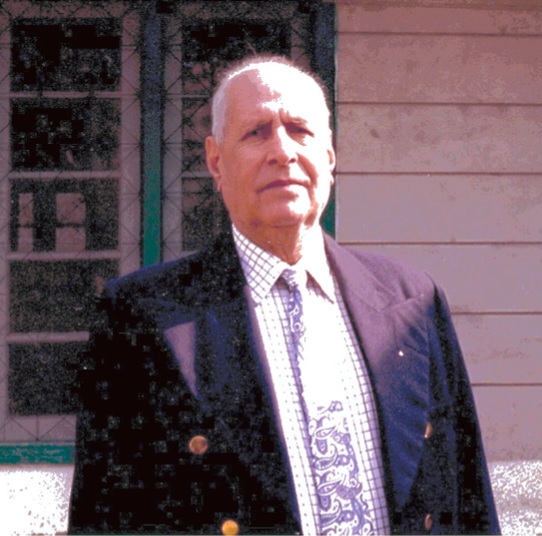
Lt Colonel Aziz Ahmad
"What Matters Most?" This poignant question in Kelly’s book prompts soulful reflection: “In the fourth quarter, it is critically important to be clear about what matters most for you.” Personally, cherishing and maintaining friendships with people like Ramon holds the utmost significance.
Reflecting on my connections with Ramon and my own family legacy, I am filled with a sense of pride and deep admiration for my father, Colonel Aziz Ahmad. Unlike many in positions of power who may use force or coercion to influence outcomes, my father chose a path marked by quiet strength and the power of empathy. Although he never staged a coup or sought to change things through dramatic or conventional measures of authority, his impact was immensely profound and far-reaching.
Colonel Aziz Ahmad was a man dedicated to service and community, and his actions spoke louder than any forceful actions might have. His legacy is not written in the annals of violent revolutions, but rather in the lives he touched and forever changed. With a heart geared towards compassion, he made it his mission to quietly solve people’s troubles, weaving solutions into the fabric of their everyday lives with a gentle yet effective touch.
Employment was an area where my father made significant contributions, recognizing that work could provide individuals not just with income, but with dignity and purpose. He committed himself to aiding employment opportunities, opening doors for many who might otherwise have remained on the margins of society.
Education, too, was a cornerstone of his efforts, particularly for children in rural villages who often lacked access to learning. His dedication ensured that many young minds were enlightened and given the chance to imagine a future filled with possibilities, nurturing the potential for entire villages to rise and prosper through education.
In matters of health, Colonel Aziz Ahmad was equally committed. Understanding that medical problems could devastate families and communities, he facilitated access to necessary healthcare, ensuring that people received the treatment and care they needed. His ability to resolve disputes peacefully further highlighted his belief in communication and understanding—he bridged divides and brought people together, ensuring harmony and cooperation prevailed over conflict.
The magnitude of his compassionate actions transcended borders, leaving a legacy that bridged continents and transformed numerous lives. He instilled in me the importance of connection, of using whatever means available to help those around us. In reflecting on my relationship with Ramon and my own family legacy, I am continually reminded of my father’s enduring influence and inspired to uphold his values in my everyday interactions. His legacy is a testament to the profound, positive change that can be achieved through quiet, resolute actions rooted in kindness and empathy.
When my father passed away, his friend, Captain Abdur Rahman - who had faced tremendous trials as a Japanese prisoner of war during World War II and afterwards upon his return home imprisonment by the British for being tainted with association with the Indian National Army - tearfully remarked not with traditional condolences, but with admiration: “What a magnificent life he lived!” Remembering Ramon, I echo these words said about my father: "What a magnificent life he lived." Until our next lunch together, dear friend Ramon.