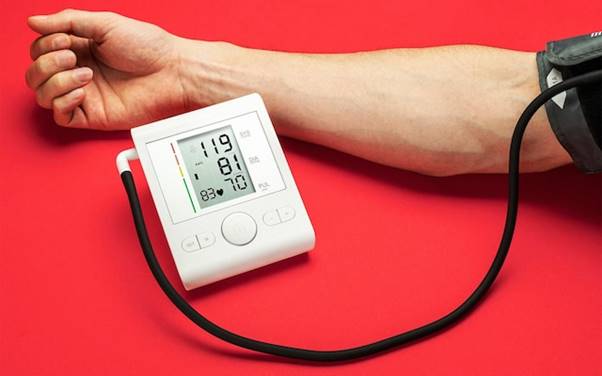
A recent poll revealed that 43 per cent of adults don’t know their blood pressure reading and 31 per cent don’t check it regularly . Relatively small lifestyle changes can help keep ‘the silent killer’ at bay – here’s what you need to know
How to Lower Your Blood Pressure in One Month, according to a Cardiologist
By Polly Dunbar
It is known as “the silent killer” because it often shows no symptoms and is the biggest preventable cause of death in Britain. Yet of the 14 million people in this country living with high blood pressure , around five million are totally unaware.
According to a recent poll by the charity Blood Pressure UK, 43 per cent of adults don’t know their blood pressure reading and 31 per cent don’t check it regularly, despite the NHS advising over-40s to check their numbers every year.
Blood pressure is measured in millimeters of mercury (mmHg). The top number is “systolic” – the pressure in your arteries when your heart beats. The bottom number is “diastolic” – the pressure in your arteries when your heart rests between beats.
Both are important, but for over-50s, the top number is more important . An elevated systolic pressure in that age group shows a greater risk of stroke and heart disease than an elevated diastolic pressure.
“Ideally, everyone’s blood pressure should be less than 140/90mmHg,” says Dr Kalpa De Silva, a consultant interventional cardiologist at London Bridge Hospital. “As we age, our arteries become stiffer, which leads to our blood pressure rising slowly over time to compensate.”
For every 20mmHg increase in systolic blood pressure or 10mmHg increase in diastolic blood pressure, there is a doubling of the risk of death from heart attack and stroke.
However, it is possible to lower your blood pressure within a month with relatively small lifestyle changes. The proven ways are:
1. Stick to no more than one drink per night
“We know that drinking alcohol in excess raises blood pressure,” says Dr De Silva. Recent data , spanning several decades and including 20,000 people, suggests that blood pressure increases in line with alcohol consumption, starting from as little as one glass of wine per day.
According to the British Heart Foundation , regularly having more than four alcoholic drinks in a sitting can prevent receptors in the brain that help regulate blood pressure working properly, leading to long-term high blood pressure. “This can lead to fatty deposits building up within the artery walls, a process called atherosclerosis which increases the risk of a heart attack or stroke,” explains Dr De Silva.
He advises those drinking above recommended levels to cut back : three glasses of red wine per week has been shown to be beneficial, but anything above that won’t be. “Reducing your alcohol intake may also help you lose weight, which also impacts blood pressure,” he says. “A reduction can make a significant difference quickly.”
2. Practice handgrip exercises every day
Most of us know we should take regular exercise , but we probably imagine aerobic exercise such as running and cycling to be most beneficial to our blood pressure.
In fact, isometric training – involving holding certain positions of mild difficulty for a couple of minutes at a time – has been found to reduce blood pressure by 80 per cent more than aerobic exercise. A recent study by Canterbury Christ Church University analyzing data from more than 200 trials and 15,000 people concluded that aerobic exercise reduced blood pressure by 4.49/2.53mmHg, on average, while isometric training lowered systolic pressure by 8.24mmHG (83 per cent more than cardio) and diastolic by four units (58 per cent better).
Perhaps the easiest isometric exercise is the handgrip test, which involves squeezing a dynamometer that can cost less than £10 for two minutes at a time, at an exertion level of 30 per cent. Do this every day, twice per hand, and you should see quick results. Another way to reduce your blood pressure is to perform four two-minute wall sits three times per week.
3. Eat dark chocolate (in small amounts)
Dark chocolate has long been promoted as a healthier choice than milk – and one of its many benefits is its blood pressure-lowering power .
A new study from the University of Surrey found that regular consumption of naturally occurring compounds called flavan-3-ols found in cocoa led to a reduction in blood pressure, particularly in people with elevated or high readings. Flavan-3-ols were also found to improve the function of the endothelium, the inner lining of blood vessels, which is crucial for overall cardiovascular health.
A small square or two daily of dark chocolate , with at least 70 per cent cocoa for two to four weeks, may be enough to see an effect.
4. Eat fermented foods and miso are known to be good for the gut , and they have also been found to cause significant reductions in both systolic and diastolic blood pressure.

Eating fermented foods such as kimchi can help lower both systolic and diastolic blood pressure - Moment RF
There’s growing scientific interest in the link between the gut microbiome and blood pressure. One recent study of more than 20,000 Americans found that individuals who ate more gut-friendly foods were 13 per cent less likely to have high blood pressure, or hypertension. Other studies have shown that people with hypertension tend to have less diversity and fewer beneficial bacteria in their gut microbiota.
Including fermented and fibre-rich foods – plenty of fruit, vegetables and wholegrains – in as diverse a diet as possible is likely to reap rewards in your blood pressure readings as well as your overall health.
5. Check your food labels
We all need around 4g of salt per day and should eat no more than 6g, or one level teaspoon. But most of us eat too much, with 75 per cent coming from processed foods.
“Virtually everything we eat today has salt added to it,” says Dr De Silva. “Looking closely at your diet, understanding where you’re getting additional salt and cutting down will be a major help in changing your blood pressure in a matter of days and weeks.”
The worst culprits include ready meals, processed meats and takeaways , but “even bread and cereals can contain high levels,” says Dr De Silva. Looking carefully at food labels is important, as the same items made by different brands can contain wildly different quantities. The FoodSwitch app allows you to scan barcodes and see whether items are high, medium or low in salt, and suggests healthier alternatives.
6. Eat more potassium and magnesium
Potassium helps the body eliminate sodium and reduces pressure on our blood vessels, so including plenty of dietary sources is sensible. Foods rich in the mineral include leafy greens, sweet potatoes, nuts (unsalted), seeds, tomatoes, avocados, apricots and mushrooms.
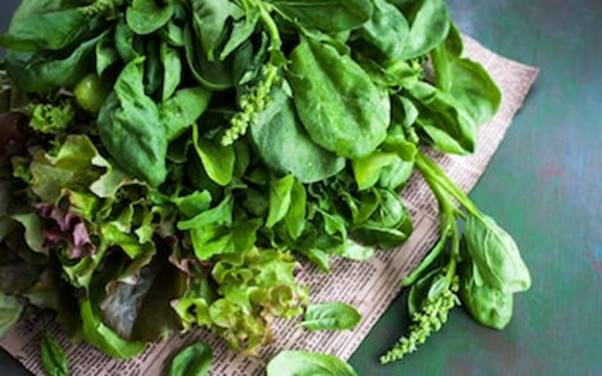
Leafy greens are rich in essential minerals such as magnesium and should be consumed daily - Moment RF
Recent research has found that eating bananas, another excellent source of potassium, is even more effective at lowering blood pressure than reducing salt intake.
Magnesium has also been shown to reduce blood pressure in some studies, although the research is not yet conclusive. But Dr De Silva says: “It’s certainly a good idea to ensure you have enough magnesium in your diet.” The NHS recommends that men need 300mg of magnesium daily, while women need 270mg, and good sources include legumes, leafy green vegetables, nuts and wholegrains.
7. Drink hibiscus tea
Packed full of antioxidants, the flowers and leaves of the hibiscus plant have been used for medicinal purposes for hundreds of years.
A 2020 review of seven trials found that tea made from the hibiscus plant significantly reduced both systolic and diastolic blood pressure. Not only are the antioxidants thought to lower inflammation, protecting the lining of the blood vessels, but tea may also inhibit the angiotensin-converting enzyme (ACE), a protein that causes blood vessels to constrict.
Research shows the average reduction in systolic blood pressure from drinking two cups of hibiscus tea daily is around 5 to 7mmHg.
8. Sprinkle flaxseed on your food
Research shows that eating between 30-50g of flaxseed daily – roughly two to three tablespoons – can reduce blood pressure. It’s thought this is because they contain an alpha-linolenic acid (ALA), a type of omega-3 fatty acid which has an anti-inflammatory effect.
They also contain anti-inflammatory phytoestrogens and fiber, both of which are also believed to have a positive impact on blood pressure.
Since whole flaxseed can pass through the body undigested, ground flaxseed is more beneficial. According to Dr De Silva, even a sprinkling stirred into porridge, yogurt, soup, or cooking sauces is an easy blood pressure-friendly hit.
Recommended
9. Try some relaxation techniques
Although stress is unlikely to cause a long-term rise in blood pressure, learning effective relaxation techniques is important “because it often leads to an unhealthy lifestyle, like smoking, sleeping badly, eating badly and drinking too much,” says Dr De Silva.
Techniques proven to trigger a quick blood pressure reduction include dipping your feet in warm water for 15 minutes, which stimulates the widening of blood vessels. Breathing deeply through the left nostril for three to five minutes, using your right thumb to close your right nostril, is a yogic practice which calms the nervous system and has been shown to lower blood pressure .
Massaging pressure points such as the highest point at the top of the head, where there’s a small depression, with two fingers, circling them for 30 to 50 rotations, is also believed – particularly in Eastern medicine – to bring down blood pressure quickly. - The Telegraph