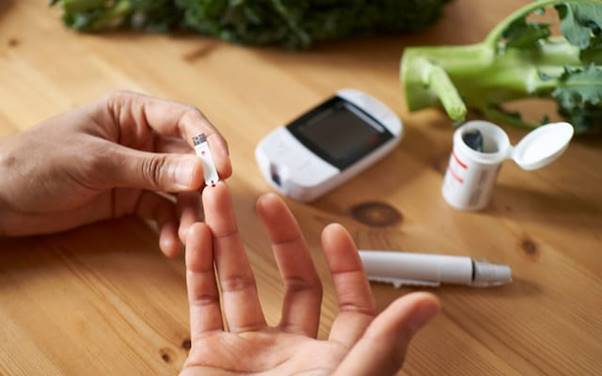
There are 4.6 million people living with type 2 diabetes in the UK - Credit Andriy Onufriyenko/Getty Images
Type 2 Diabetes: Symptoms, Causes and What Happens to Your Body
By Ceri Roberts
UK
Type 2 diabetes can occur when the body does not use insulin as it should, causing blood sugar levels to become too high.
We are in the midst of a type 2 diabetes epidemic. According to Diabetes UK, one in five (that’s around 12 million people) in the UK are now living with prediabetes and diabetes. New figures estimate that 4.6 million people have received a diagnosis of type 2 diabetes.
Additionally, around 6.3 million live with prediabetes , a condition that could turn into type 2 diabetes if left untreated. Worryingly, some are unaware they have even have prediabetes. The charity estimates that a further 1.3 million people in the UK have the condition but are yet to be diagnosed.
“This is a massive problem, and the root cause is societal and environmental change, with more sedentary practices of working and studying, and the prevalence of processed sugar and fat-dense foods,” says Dr Sufyan Hussain, a diabetes physician and honorary senior lecturer at the London Diabetes Center, King’s College London and the NHS.
“It’s really important for people to understand that type 2 diabetes will affect a lot more individuals than we have previously seen, and to recognize the things we can do to prevent or reverse a diagnosis.”
What is type 2 diabetes?
In the simplest terms, “diabetes” means that the level of sugar in the blood is too high due to problems with the hormone insulin . Esther Walden, the deputy head of care at Diabetes UK, explains: “People with type 2 diabetes don’t produce enough insulin, or the insulin they produce doesn’t work properly (known as ‘insulin resistance’).”
Type 2 diabetes doesn’t happen suddenly – blood glucose levels creep up over a number of years, and many people have no idea this is happening to them.
When sugar levels rise a little above the normal levels this is known as “prediabetes”, and this is typically only identified during a routine HbA1c blood test, which checks average blood glucose levels over the previous three months by measuring the percentage of your red blood cells that have glucose-coated hemoglobin (glucose sticks to hemoglobin for as long as the red blood cells are alive – which is about three months). A reading of 42-47mmol/mol indicates prediabetes, and 48mmol/mol or over is the point at which diabetes is diagnosed.
What are the symptoms of type 2 diabetes?
Thanks to successful health awareness campaigns, many people are now aware of the common symptoms of Type 2, and these include:
- Thirst
- Passing a lot of urine
- Tiredness
- Blurred eyesight
- Unintentionally losing weight
However, Roy Taylor, a professor of medicine and metabolism at Newcastle University and the author of Life Without Diabetes, says: “These symptoms don’t tend to happen until the blood sugar is way up into the diabetes range.”
Walden says: “You are unlikely to experience any symptoms with prediabetes. It can be detected via a blood test , and you might have one of these as part of the NHS health check program or if your doctor or nurse thinks you’re at higher risk.”
What causes type 2 diabetes?
“No one thing causes type 2 diabetes,” says Walden. “It is caused by a combination of factors. These include your genetics, age, body weight and where your body stores fat. The reasons someone develops it will be individual to them.”
This is important to recognize, as many people who have been diagnosed with type 2 diabetes blame themselves.
Prof Taylor, who developed the Newcastle Diet , which has been hailed as a way to reverse type 2 diabetes, says: “With type 2 diabetes, a small amount of excess fat inside the organs is the underlying issue. However, it’s important for people to understand that they haven’t brought this on themselves as it’s not simply caused by obesity or having a bad diet.
“Only one in two of all people with type 2 diabetes is obese, and three out of four very overweight people don’t have the disease. It occurs because a person has become moderately too heavy for their own body. We all have our own ‘personal fat threshold’ or tolerance for weight gain, and problems start when this is exceeded.”
Prof Alan Sinclair, the director of the Foundation for Diabetes Research in Older People (fDROP), says that stress can also be a factor: “High stress levels tend to increase insulin resistance. It’s important to reduce stress , but it’s one of the hardest things to control.”
Who is most at risk from developing type 2 diabetes?
Hussain says: “Ethnicity, genetics and family history all play a strong part in our predisposition to type 2 diabetes. Women who had gestational diabetes during their pregnancy also have a higher risk of developing prediabetes or type 2 diabetes later on.”
According to Walden, other factors that put people at increased risk of type 2 diabetes include:
- Being from a South Asian, African-Caribbean or black African background
- Having certain other conditions, such as depression, high blood pressure or polycystic ovary syndrome (PCOS)
- Lifestyle factors, such as smoking and poor sleep
- Economic status – people from the poorest households are twice as likely to be diagnosed with Type 2 diabetes compared to households with the highest incomes
What are the potential complications of type 2 diabetes?
People with type 2 diabetes should have regular check-ups as it can cause serious complications if it’s not well managed. “Diabetes is one of the leading causes of preventable sight loss in people of working age in the UK and is a major cause of lower limb amputation, kidney failure, heart attack and stroke,” explains Walden.
According to Sinclair, the risk of complications increases over time. He says: “Poor control of blood glucose is the principal reason that people develop complications.”
“The risk is higher in somebody who has had diabetes for 20 years rather than someone who has had it for two. However, we know that we still diagnose diabetes late, so by the time of diagnosis, about 40 per cent of people have complications already.”
How to spot type 2 diabetes in children
The symptoms of type 2 diabetes are the same for children as they are for adults, but because the condition is more commonly diagnosed in older people, it’s easy to miss.
Walden says: “Analysis by Diabetes UK revealed that cases of type 2 diabetes – historically associated with older people – are now rising at a faster rate in younger age groups.”
“Worryingly, NHS data showed registered cases of type 2 in the under-40s age group rose by 23 per cent in just five years. While the number of under-40s with type 2 diabetes remains a small proportion of total cases, it is known to be a more aggressive form of the condition in younger people.”
Dr Hussain adds: “The number of younger people with prediabetes and type 2 diabetes is much higher than in previous decades. There may also be a big element of undiagnosed or delayed diagnosis of diabetes in these age groups because they are not likely to be included in routine health checks.”
What are the treatments for type 2 diabetes?
There’s a range of treatment options available for type 2 diabetes, and these depend on the stage someone is at when diagnosed. According to Diabetes UK , treatment can include:
- Eating well and staying active
- Losing weight – if necessary
- Medications – doctors may prescribe these for some people
- Weight-loss (or bariatric) surgery
The NHS is also rolling out its Type 2 Diabetes Path to Remission program, which is based on Prof Taylor’s groundbreaking research. This provides low-calorie meal replacements for a three-month period. In trials, almost half of participants were able to put their diabetes into remission as a result.
Medications
Doctors may prescribe metformin or insulin, or newer drugs such as Ozempic .
Hussain says: “This [newer] class of drugs works by mimicking a natural gut hormone (called GLP-1), which is involved in telling your brain that you’ve eaten enough, along with increasing insulin production and telling your liver to use the glucose better.”

Many diabetes sufferers may be prescribed medication like metformin or insulin - Credit SCIENCE PHOTO LIBRARY/Getty Images
How to manage type 2 diabetes
Experts broadly recommend the following:
- Eating the usual healthy foods such as fruit, vegetables, lean proteins and wholegrains
- Reducing processed foods, especially sugar and refined carbohydrates
- Limiting alcohol consumption and staying well within the NHS guidelines of 14 units per week
Eating well
“There is no such thing as a special diet for type 2 diabetes or those at high risk of developing it, as no two people are the same,” says Walden. “Our advice is to make healthier choices more often and only have treats occasionally in small portions.”
The registered dietitian Chanda Pattni, also known as The London Diabetes Dietitian , adds: “Carbohydrate is the nutrient that has the greatest impact on blood glucose levels. People with diabetes do not have to eliminate carbohydrates from their diet, but managing carbohydrate intake is crucial.”
“An individualized approach, focusing on the quality (low glycemic index and high fiber) and quantity of carbohydrate foods, is essential for managing diabetes effectively.”
Continuous glucose monitors
Hussain says: “Everyone’s metabolism can be slightly different. Emerging research indicates that using continuous glucose monitors (CGM) with the right guidance can be very helpful, even among people with prediabetes or diet-controlled diabetes.
Even short-term or intermittent use of these sensors can really help individuals understand the impact of certain foods, exercises or behaviors on their blood sugar. Seeing is believing, and this really can improve motivation because with the CGM you can see where the weak points are in your lifestyle and understand how you can modify them.”
How to prevent type 2 diabetes
The NHS Diabetes Prevention Program , also known as the Healthier You program, identifies people at risk of type 2 diabetes and refers them to a nine-month, evidence-based lifestyle change program, where they receive personalized advice on how to manage their weight, eat more healthily and be more active.
There’s more good news. “Type 2 diabetes can sometimes be prevented or delayed,” says Walden. “For some people, getting support to lose weight and make changes to your health behaviors, including what you eat and drink and your activity levels, can reduce the risk.”
It’s also helpful to know if you’re at risk and to have regular health checks so problems can be picked up at an early stage.
Diabetes UK has developed a free online Know Your Risk tool, which can help you assess your individual risk factors and take steps to prevent a future diagnosis.
( With a career in journalism spanning more than 25 years, Ceri Roberts has worked across lifestyle, features and celebrity. The Telegraph)