Bengali New Year Celebrated in Folsom
By Ras H. Siddiqui

Out of the many immigrant communities residing in the Sacramento region, the Bengali community is one of the newest. One can call Bengalis, an ethnolinguistic group, both Bangladeshi (from Bangladesh) where they are the vast majority, and an Indian sub-ethnicity, where they are the majority in the state of West Bengal. Their primary point of origin is the Ganges and Brahmaputra river delta area located in northeastern South Asia. One is often tempted to lump this ethnicity under the Indian umbrella, but Bengalis are a distinct group numbering close to three hundred million, the third largest ethnic group in the world. And it might come as a surprise to some that the third largest Bengali population in the world (around three million) lives in Pakistan. There are reported to be around 500,000 Bengalis (a 2025 estimate) in the United States, with a small fraction living in the Sacramento region where they work in medicine, tech, the state of California, or run small businesses.
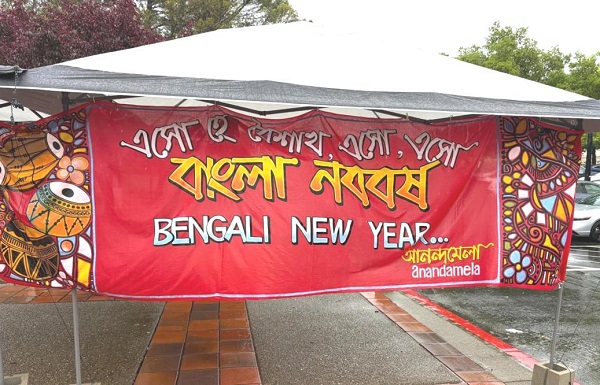
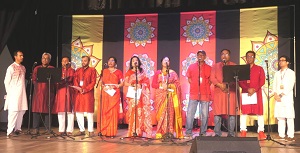
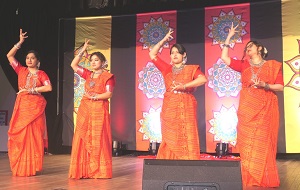
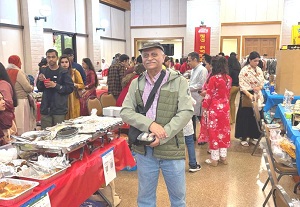
This community may not be large in California’s capital region, but their annual Bengali New Year (known as Pohela Boishakh) has been celebrated quite enthusiastically in Sacramento County since 2008 (with a gap due to the COVID pandemic). The organization responsible is named Anandamela (Happy Gathering) which was founded in 2004 and has taken up the task of keeping Bengali culture alive in our region, including the holding of a new year festival during spring. This year the celebration was held on Saturday April 11, 2026, at the Folsom Community Center.
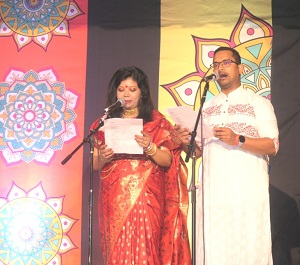
The event started with the recital of the national anthems of the United States and Bangladesh. In his opening speech Anandamela founder Najmus Saquib greeted the gathering with Shuvo Noboborsho - Happy Bengali New Year. Twenty-two years ago, Anandamela began as a small, hopeful dream, that we could bring our community together, celebrate our culture, and create something beautiful, he said. “Today, looking out at all of you, I am overwhelmed with gratitude and joy.” He also thanked the mayor for gracing the event. “Your presence tells us that what we have built belongs to this city, and that this city is proud of us,” he said. He added that he did not build Anandamela. “We all did. It took a village. And what a village we are,” he said. Saquib also informed this writer that he has handed over the charge of Anandamela to new leadership and this year the project leads were Syed Hafiz Oli and Hafsa Akhter.
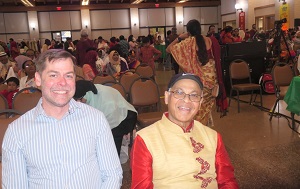
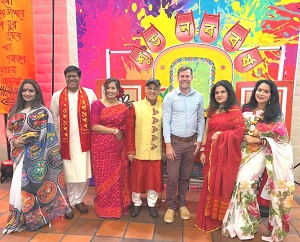
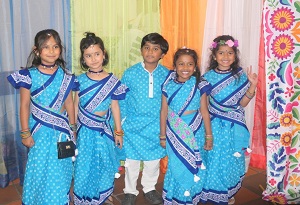
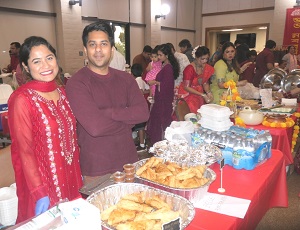
City of Folsom Mayor, Justin Raithel officially inaugurated the event and stayed on to lend his support to one of the most colorful annual gatherings to grace the area. In his speech the mayor conveyed his good wishes to all on behalf of the city. He thanked the organization for their invitation and said that diversity really does make us stronger and that the preservation of all the cultures in Folsom is really a blessing for the whole community. He encouraged the Anandamela Team by thanking them for all the effort that they put into this event, spreading awareness, and welcoming everybody from the wider area community. He ended his speech with “Happy Bengali New Year.” The mayor was also present for a colorful kids parade and was able to partake in some of the Bengali delicacies available for sale at the festival.
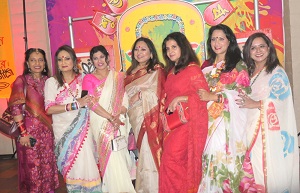
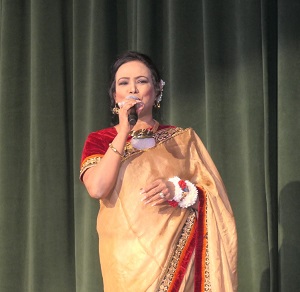
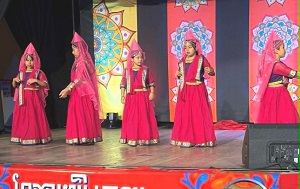
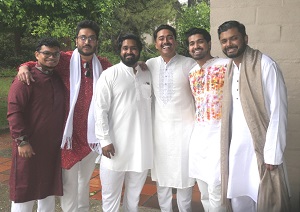
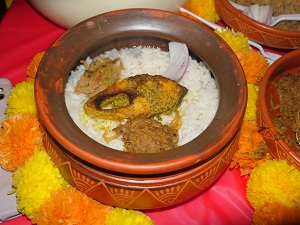
Bengali New Year once again brought delicious cuisine, music, and Bengali fashions to Folsom. This community may be smaller than others, but it has once again demonstrated that it remains vibrant and has a lot to offer. In the food department, there was Ilish Mach (Hilsa fish), Jhal Muri and of course Bengali desserts including Cham Cham, Rasgulla and Ras Malai available to the delight of many.
In closing, this writer went to the Bengali New Year celebration in Folsom this year inspired by a YouTube video titled “Hum K Thehre Ajnabi” sung and shared by Dhaka-born Shakila Ahmed. The music of this video has been composed by Ustad Ghulam Ali Khan. Certainly, the sad words of poetry sung in this video were written by Faiz Sahib many decades ago and were true at the time. But the question we can hazard to ask is: are Bangladeshis and Pakistanis still strangers today?