
Revisiting University of Karachi: Human Stories from Karachi-V
By Dr Ahmed S. Khan
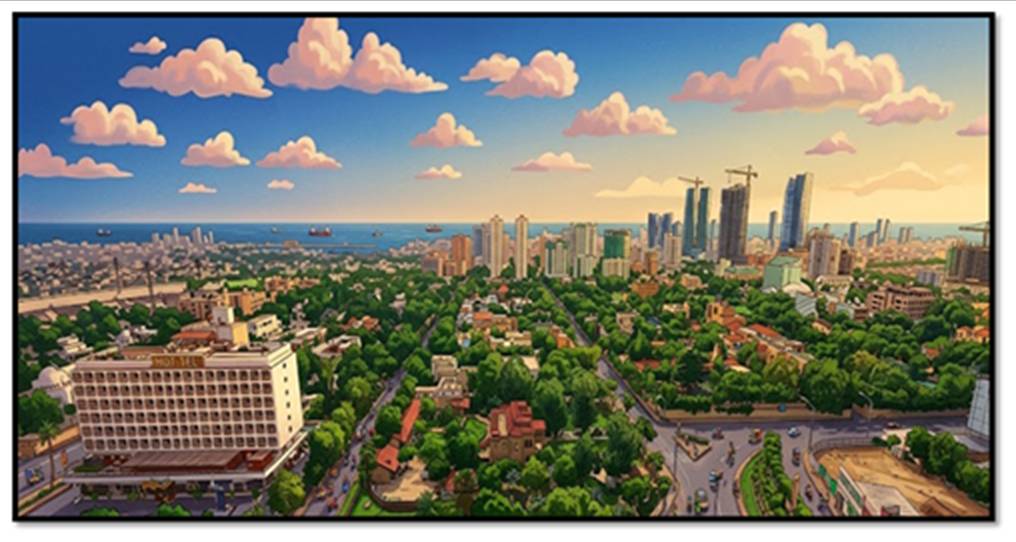
“You will yet be the glory of the East; would that I could come again, Karachi, to see you in your grandeur.”
— Sir Charles Napier, Governor of Sindh
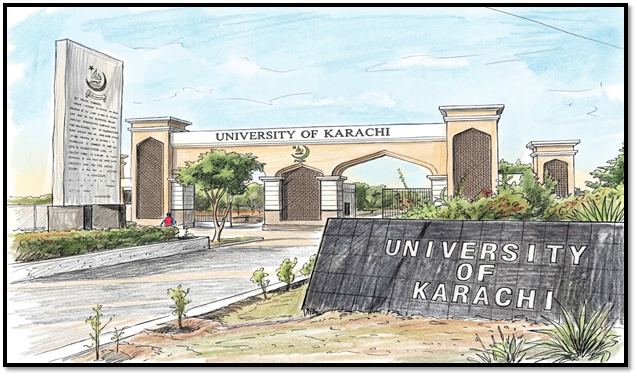
Driving from Gulshan-e-Iqbal as Irfan and I entered through the Maskan Gate of the University of Karachi, navigating the roads past various departments and sectors filled me with a deep sense of sadness at the visibly declining state of the campus, from deteriorating structures to heaps of scattered garbage. Fifty years ago, when we were students, this was Pakistan’s leading institution of higher learning, celebrating its glorious Silver Jubilee; today, much like the neglected city of Karachi itself, the university feels completely orphaned as politics and decades of neglect have taken their toll.
This distressing sight took my mind back to the university's formative years following its establishment through an Act of Parliament in 1951. Originally operating out of temporary premises at Chandni Chowk in downtown Karachi — the capital of Pakistan, the university catered to displaced scholars and students in the new national capital before transitioning in 1959 to its permanent 1,200-acre campus on University Road, masterfully planned by French architect Michel Ecochard to feature dedicated zones for science, humanities, residential quarters, and central library facilities.
That golden era was steered by visionary leadership and foundational builders: founding Vice-Chancellor Professor A.B.A. Haleem (1951–1957) established core faculties and rigorous academic standards; Dr. I.H. Qureshi (1961–1971) oversaw the campus relocation and expanded postgraduate research programs across the sciences and humanities; pioneering chemist Dr Salimuzzaman Siddiqui founded the world-renowned Postgraduate Institute of Chemistry (later the H.E.J. Research Institute); and Dr Mahmud Husain expanded academic infrastructure and established the major library system that now bears his name.
Together, these early pioneers built a comprehensive seat of learning that grew to comprise over 50 departments and specialized research institutes. Yet today’s campus offers hardly a glimpse of that proud legacy, with crumbling buildings, scattered trash, and pervasive food stalls giving the impression of a noisy food court rather than a premier center of higher research.
Driving from Gulshan-e-Iqbal as Irfan and I entered through the Maskan Gate of the University of Karachi, navigating the roads past various departments and sectors filled me with a deep sense of sadness at the visibly declining state of the campus, from deteriorating structures to heaps of scattered garbage. Fifty years ago, when we were students, this was Pakistan’s leading institution of higher learning, celebrating its glorious Silver Jubilee; today, much like the neglected city of Karachi itself, the university feels completely orphaned as politics and decades of neglect have taken their toll.
This distressing sight took my mind back to the university's formative years following its establishment through an Act of Parliament in 1951. Originally operating out of temporary premises at Chandni Chowk in downtown Karachi — the capital of Pakistan, the university catered to displaced scholars and students in the new national capital before transitioning in 1959 to its permanent 1,200-acre campus on University Road, masterfully planned by French architect Michel Ecochard to feature dedicated zones for science, humanities, residential quarters, and central library facilities.
That golden era was steered by visionary leadership and foundational builders: founding Vice-Chancellor Professor A.B.A. Haleem (1951–1957) established core faculties and rigorous academic standards; Dr. I.H. Qureshi (1961–1971) oversaw the campus relocation and expanded postgraduate research programs across the sciences and humanities; pioneering chemist Dr Salimuzzaman Siddiqui founded the world-renowned Postgraduate Institute of Chemistry (later the H.E.J. Research Institute); and Dr Mahmud Husain expanded academic infrastructure and established the major library system that now bears his name.
Together, these early pioneers built a comprehensive seat of learning that grew to comprise over 50 departments and specialized research institutes. Yet today’s campus offers hardly a glimpse of that proud legacy, with crumbling buildings, scattered trash, and pervasive food stalls giving the impression of a noisy food court rather than a premier center of higher research.
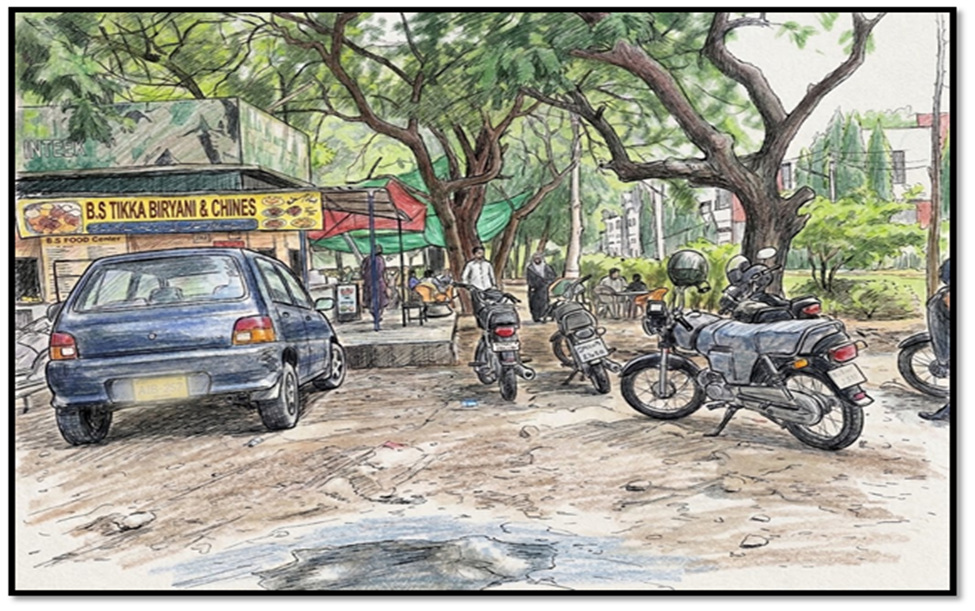
Fifty years ago, the university featured two main cafeterias where students could enjoy inexpensive yet quality meals, tea, and snacks. Today, the campus resembles a lively food court, with major departments surrounded by food stalls and tea shops serving biryani, nihari, tikka, samosas, and tea.
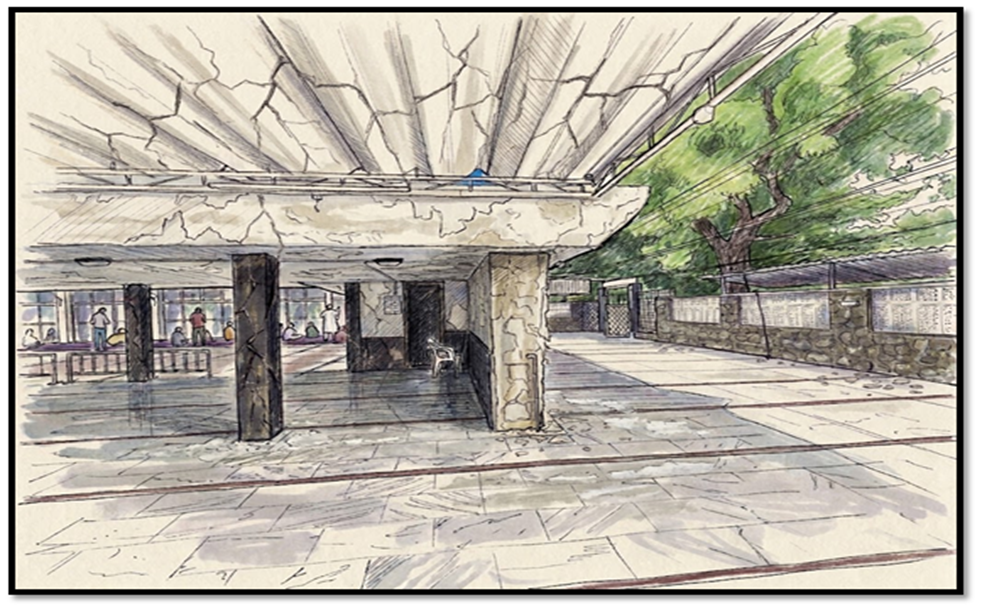
Due to aging and lack of maintenance, all buildings across the University of Karachi have developed major cracks in their walls and roofs, exposing severely corroded iron rebar and peeling paint. Without immediate structural repairs and ongoing upkeep, these buildings face a serious risk of collapse.
Irfan parked the car near the library, and we began walking toward the department where I had been invited to give a talk. As we made our way through the covered corridor, our minds raced back fifty years.
I vividly remember walking along this very path with Irfan as students, heading from the library to the Department of Applied Physics. We were strolling along, deep in discussion, when Irfan remarked, “Yah ghult hay, yah ghult hay” ("This is wrong, this is wrong"). Suddenly, I felt a gentle touch on my shoulder. A distinguished gentleman stepped between us, placing one arm on my shoulder and the other on Irfan’s. He softly corrected us: “Beta, ghultnahi hota; the correct pronunciation is ghalat.” Looking closely at his face, we instantly recognized him—it was none other than the legendary chemistry professor, Dr Salimuzzaman Siddiqui sahib—our own Einstein! He continued chatting and offering us advice until we reached the slope leading to the Chemistry Department, where he headed up to his laboratory on the upper floors.
Today, that same covered corridor is littered with heaps of garbage, a shocking scene of apathy that no one seems bothered to address.
Arriving at the chairperson’s office early, we found he had not yet arrived. Irfan suggested getting a cup of tea, so we walked to a stall tucked behind the department that resembled a traditional "New Quetta Chai Hotel." We ordered tea and sat down on colorful plastic chairs. Noticing our distinct business attire, several inquisitive passersby—both students and faculty members—stopped to ask who we were. We invited them to sit and join us, and soon a lively conversation was underway over a warm cup of karak Chai!
(Continued next week)
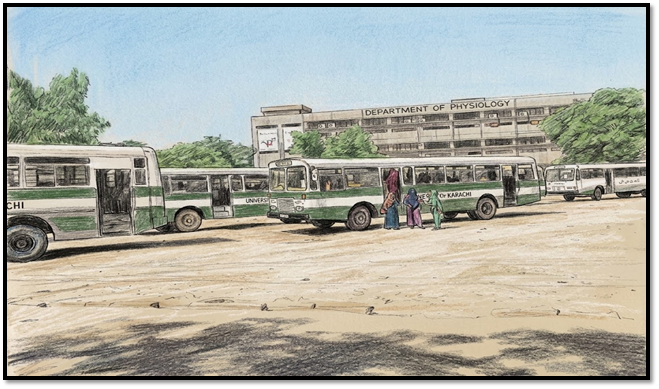
Students boarding KU buses at point for their journey home: Fifty years ago, a large fleet of Karachi Transport Corporation (KTC) buses provided daily transportation for students traveling to and from the university.
