
With support from the US International Development Finance Corporation, and within frameworks like the Partnership for Global Infrastructure (PGI), the US can fund feasibility studies, logistics corridors, and training programs that demonstrate commitment without the baggage of military entanglement
From Gwadar to Pasni: Can the US Build Trust through Ports?
By Arif Zaffar Mansuri
President of PL Publications
CA
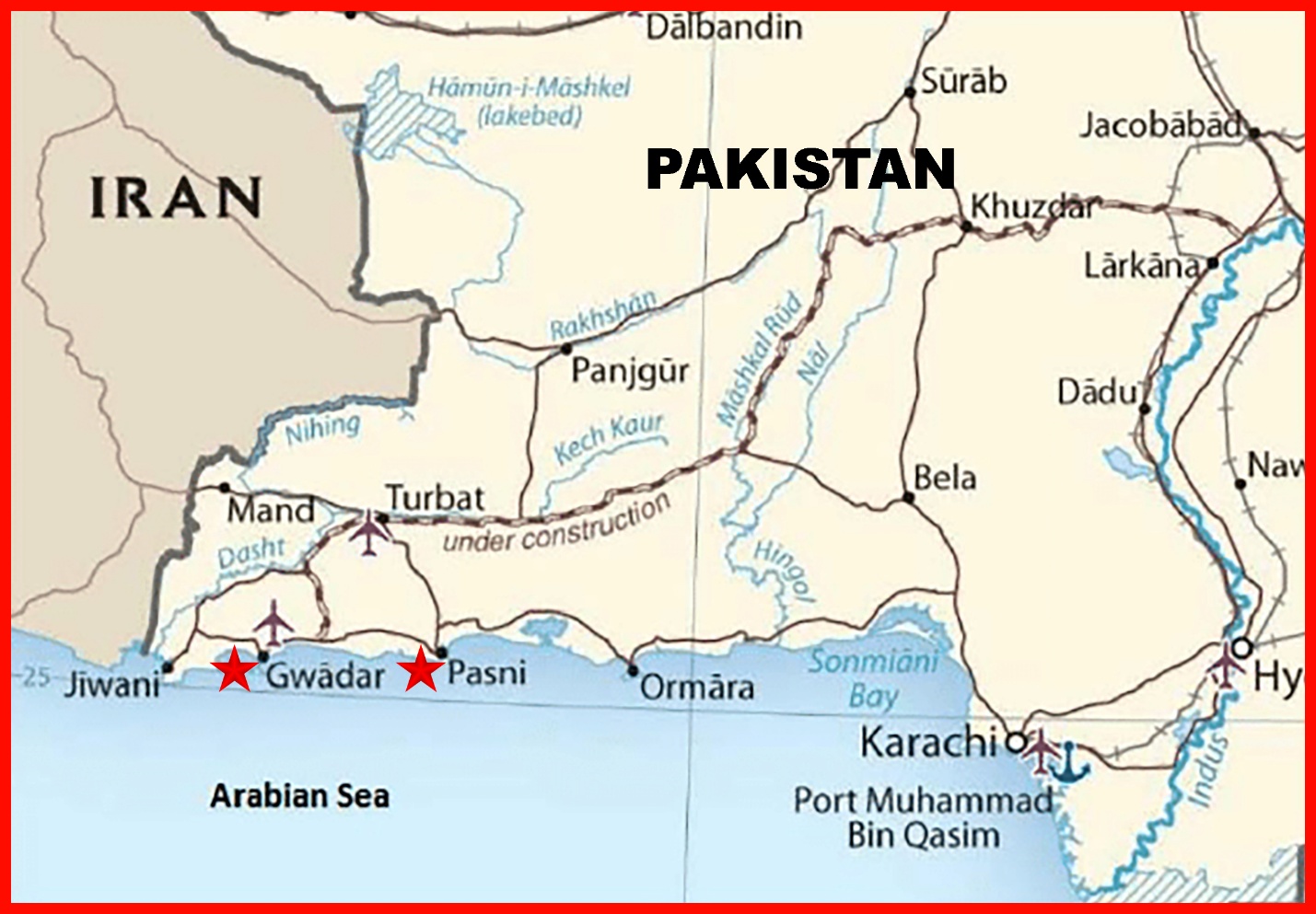
Gwadar was billed as the crown jewel of China’s Belt and Road in Pakistan. Now, just 150 miles east, Pasni is emerging as Islamabad’s signal that the next chapter might be written with American ink.
The moment is ripe. With Pakistan seeking new partners beyond entrenched dependencies, Pasni is not just another port—it’s a strategic pivot. Unlike Gwadar—largely planned and operated under Chinese control—Pasni remains a blank slate. If the US steps in with transparent investment and collaborative governance, it can help reshape not just maritime logistics but America’s reputation as a reliable partner in South Asia.
At first glance, Pasni looks like just another dot along Pakistan’s long Arabian Sea coastline. But geography makes it valuable. The port sits closer to Karachi’s commercial networks than Gwadar, while still offering deep-water potential. That gives Pasni both economic logic and geopolitical weight. For the United States, which has long struggled to find a non-military anchor in South Asia, Pasni could be that foothold. Not a base, not an aid package, but an investment that builds lasting infrastructure and trust.
American engagement in Pakistan has too often been episodic—surging during wars in Afghanistan or terrorism crises, then fading. Infrastructure rarely made the cut. China filled the vacuum, pouring billions into Gwadar as part of the China-Pakistan Economic Corridor. Yet more than a decade later, Gwadar has fallen short of its promise: incomplete projects, local resentment, and persistent insecurity. Pasni offers Washington a chance to write a different script. With support from the US International Development Finance Corporation, and within frameworks like the Partnership for Global Infrastructure (PGI), the US can fund feasibility studies, logistics corridors, and training programs that demonstrate commitment without the baggage of military entanglement.
So how should Washington and Islamabad proceed?
First, by making Pasni more than a port. Linking it to green energy corridors, digital trade, and vocational training would broaden its appeal.
Second, by embedding community safeguards from the outset — ensuring that fishermen, small traders, and local youth see tangible benefits.
Third, by keeping the project transparent, competitive, and environmentally sustainable.
If the US wants to outcompete China, it must demonstrate that its model delivers more than concrete and debt.
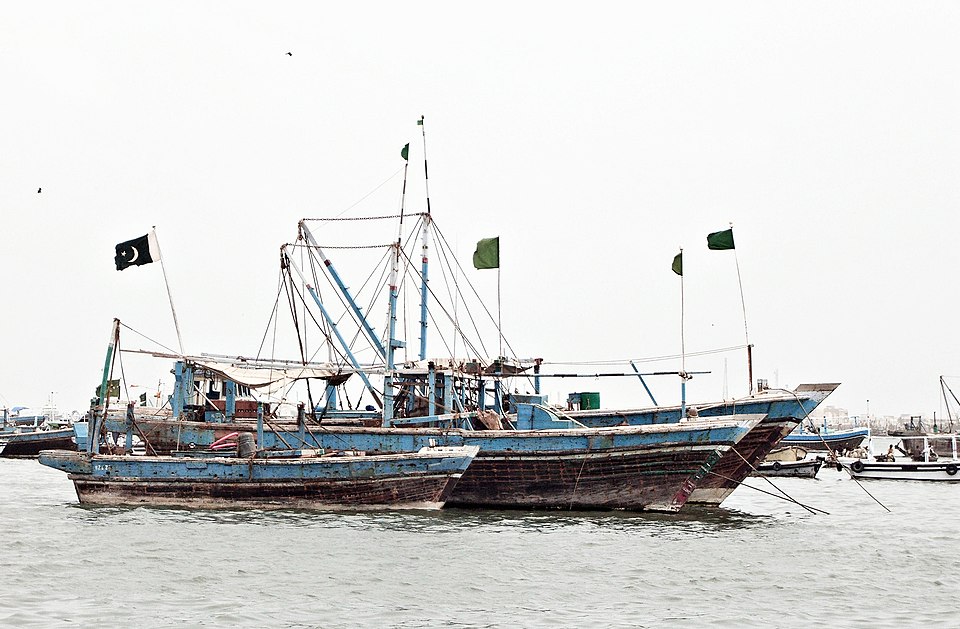
Skeptics argue that the US has neither the appetite nor the staying power to compete with China on infrastructure. Why risk another high-profile disappointment? The rebuttal lies in scale and focus. Washington doesn’t need to outspend Beijing; it needs to out-execute. A smaller, well-governed, community-centered port at Pasni could speak louder than a sprawling but half-built Gwadar. If Washington can showcase transparency, local hiring, and environmental safeguards, it will send a message that US projects deliver benefits where they matter most.
The choice before Washington is clear. It can allow Pasni to languish as another missed opportunity, or it can turn it into a model of partnership that resonates beyond Pakistan’s shores
Pakistani Americans can also play a bridge role. From remittances to tech transfer, they have long linked both countries in ways governments often overlook. A US-backed Pasni initiative could explicitly invite diaspora investors and contractors, tying people-to-people connections into strategic policy.
The choice before Washington is clear. It can allow Pasni to languish as another missed opportunity, or it can turn it into a model of partnership that resonates beyond Pakistan’s shores. The stakes go beyond cargo ships. This is about whether the US is prepared to compete with ideas and investments, not just arms and ultimatums.
Gwadar staked China’s claim on the Arabian Sea. Pasni offers America the chance to stake something greater: credibility earned through commerce and cooperation.
(Arif Zaffar Mansuri is President of PL Publications, publisher of Pakistan Link and Urdu Link, and host of The Mansuri Show on ARY Digital TV. A real estate investor, industrialist, journalist, and community leader, he is dedicated to amplifying the voices of the Pakistani American community. Watch his show at YouTube.com/@MansuriShow or reach him at Salam@PakistanLink.com.)
