The chair, prominently positioned between two altars on a special marble plinth and roped off from visitors, speaks volumes to the relationship between Islam and Christianity and their intersection of respect and tolerance of those times that are quite missing in today’s world
St Peter’s Chair and Its Islamic Message
Report and photos by Phil Pasquini

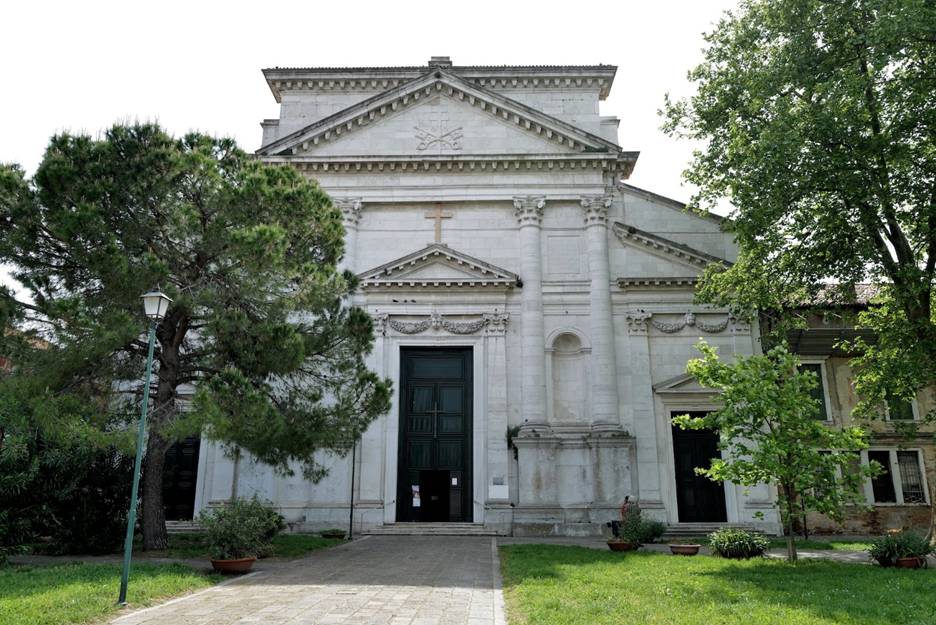
Venice: Hidden among Venice’s rich tapestry of art, Islamic-inspired architecture, museums, culture, cuisine, and iconic landmarks is the unique religious relic of “St Peter’s Chair,” housed in Venice’s first cathedral, the Basilica di San Pietro di Castello. Originally constructed in 841AD, the church was rebuilt after a devastating fire in 1120. Later, in 1558, the Basilica was transformed into its present design by Italian Renaissance architect, Andrea Palladio.
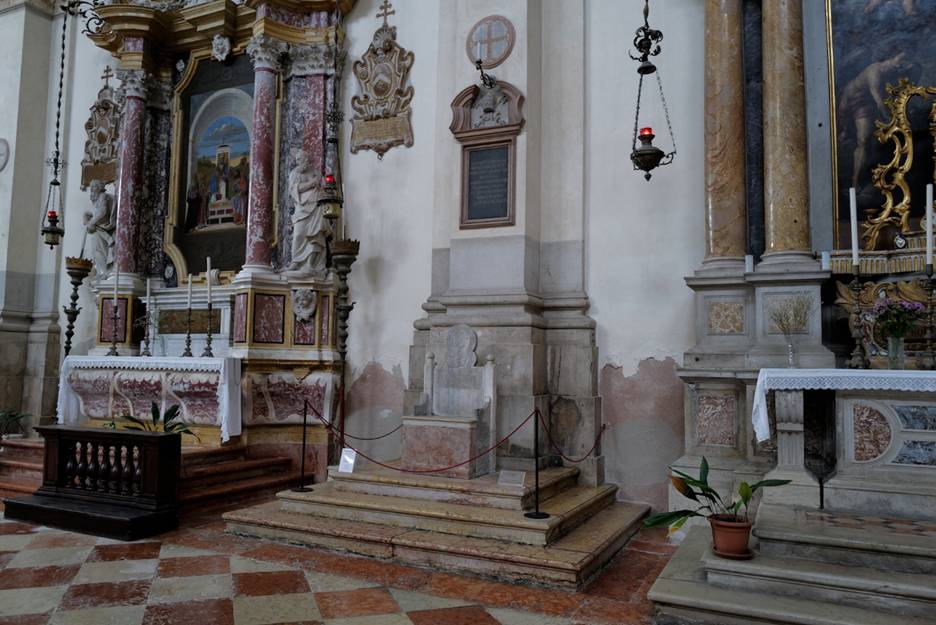
Located far from the tourist-crowded streets and piazzas, the church houses St Peter’s unique marble chair, whose origins are related on a framed stone plaque embedded in the wall above the chair engraved in Latin. It notes that “ This chair of Antioch was seated by St Peter in the 7th year of Michael the Great, Emperor of the Orient, son of Theophilus, son of Peter Icradonico (sic) Doge of Veneto, AD 1310. ”
The chair arrived in Venice in the ninth century as a gift from Byzantine Emperor Michael III the Amorian to Venice’s thirteenth Doge Pietro Tradonico (836-864 AD). The chair’s transference was intended, it is believed, to elevate the Basilica’s prestige. According to the plaque, it was brought from ancient Antioch—modern-day Syria—where Saint Peter had served as bishop from AD 43 to 49.
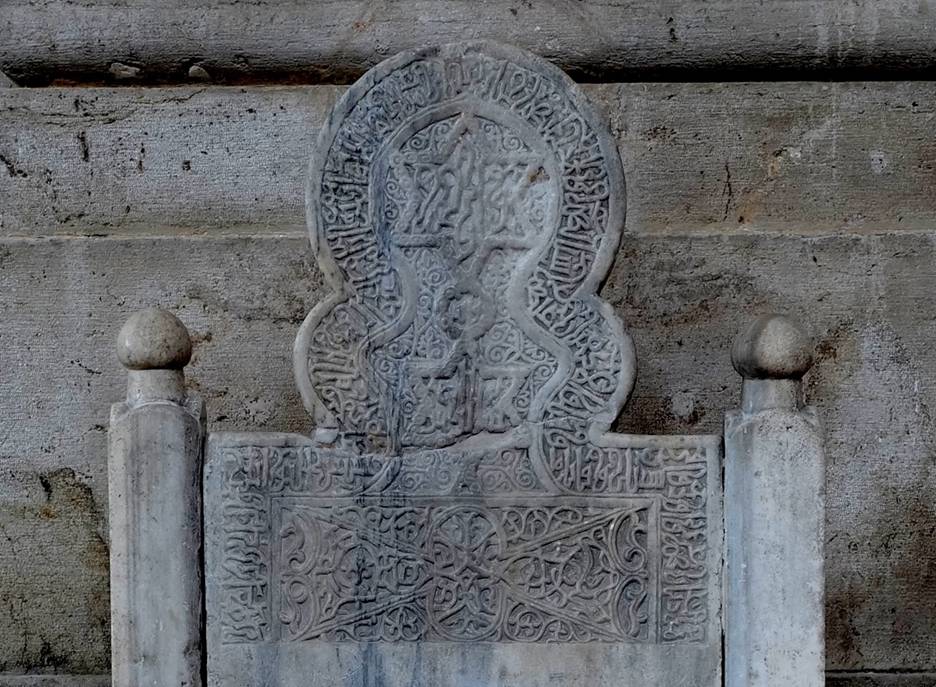
The most compelling component of the chair is its elegant back that utilizes an Islamic gravestone on which are engraved in bas-relief with two Qur’anic surahs in Kufic script dated to the thirteenth century. Reading:
Qur’an Surah 3:194
“Our Lord! Grant us what Thou didst promise unto us through Thine messengers and save us from shame on the Day of Judgment: For Thou never breakest Thy promise.”
Qur’an Surah 23:118
“And (O Muhammad) say: My Lord! Forgive and have mercy, for Thou art Best of all who show mercy.”
In the resulting chair’s composition, one can reasonably surmise that the surahs carved on the gravestone conveyed such important universal messages of the two religions’ respect of each other’s congruities in values and beliefs that their use in the chair, as well as the gravestone’s shape, made a “perfect fit” for the religious relic.
The chair, prominently positioned between two altars on a special marble plinth and roped off from visitors, speaks volumes to the relationship between Islam and Christianity and their intersection of respect and tolerance of those times that are quite missing in today’s world.
(Phil Pasquini is a freelance journalist and photographer. His reports and photographs appear in the Washington Report on Middle East Affairs, Countercurrents, LAProgressive and Nuze.ink. He is the author of Domes, Arches and Minarets: A History of Islamic-Inspired Buildings in America.)